
It always starts small. A tickle somewhere near your crown, easy enough to ignore. An hour later it is a full, insistent itch that you cannot reach without ruining your install, and you are sitting through a meeting patting the top of your head like you are checking for rain.
Anyone who wears units regularly knows this feeling. The good news is that itching under a wig is almost never mysterious — it comes from a short list of causes, and once you identify which one is yours, the fix is usually straightforward.
What Is Actually Making You Itch
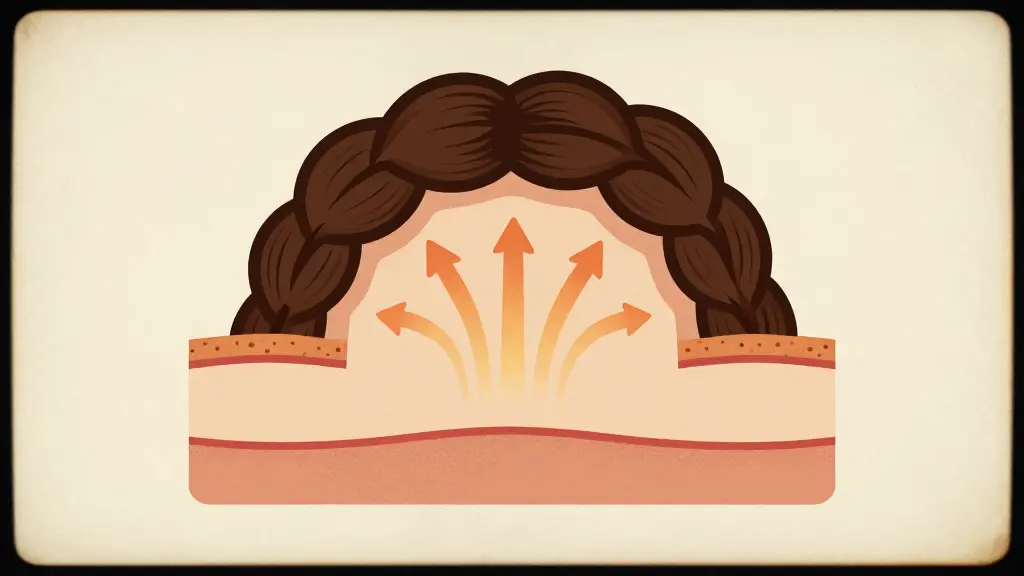
Heat and trapped moisture. Your scalp releases heat and sweat all day. A cap plus a wig creates a warm, humid layer with nowhere for that to go. Damp skin is more easily irritated, and the warmth encourages the yeasts and bacteria that naturally live on everyone’s scalp to become more active than usual. This is the single most common cause, especially in summer or if you wear a unit for long stretches.
Friction. A cap edge rubbing the same line all day, a comb pressing in one spot, wefts brushing against the nape — repeated micro-friction irritates skin the same way a stiff collar does.
Product buildup. Adhesives, edge controls, dry shampoo, oils, and the residue of everything you put on your own hair accumulate on the scalp when it is covered and not washed as often. Buildup clogs the surface, disrupts the natural balance, and itches.
Sensitivity or reaction. Some people react to specific ingredients in lace adhesives, glue removers, or the coatings on cap materials. This usually presents differently from ordinary heat itch — think redness, stinging, small bumps, or a burning sensation, often concentrated exactly where the product touched.
Plain dryness. Ironically, over-washing or using harsh shampoos to combat the other problems strips the scalp and creates flaking and tightness that itches in its own right.
An underlying skin condition. Conditions such as seborrheic dermatitis or eczema are common and can flare under a covered scalp. They are not caused by the wig, but the warm environment can make them worse.
Preparing Your Scalp Before You Put the Unit On
Most itch is prevented at install, not treated afterward.
Start genuinely clean. Wash your scalp before an install, not just your hair. Use your fingertips or a soft scalp brush to lift residue from the skin itself. If you have been wearing units back to back, a clarifying wash every few weeks clears accumulated product that a regular shampoo leaves behind.
Dry completely. This deserves repeating because it is the most-broken rule in wig wearing. Capping over damp hair or a damp scalp guarantees hours of trapped moisture, and it is a leading cause of both itching and odour. Give yourself the extra fifteen minutes.
Moisturize lightly, not heavily. A dry scalp itches, but a scalp coated in thick butters and heavy oils gets clogged and sweaty. A light, water-based scalp serum or a small amount of a thin oil massaged in — jojoba and grapeseed are popular because they are light — hits the right balance.
Create a barrier where products will sit. If you use adhesive, applying a thin scalp protector or barrier product along the hairline first gives your skin something between it and the glue. It helps at removal time too, since less adhesive ends up bonded directly to your skin.
Choose the right base layer. A soft, breathable cap in a smooth fabric beats a scratchy or tightly woven one. If nylon caps bother you, bamboo and cotton-blend options exist and feel noticeably different against sensitive skin.
What to Do When It Is Itching Right Now
Sometimes prevention has already failed and you need relief today.
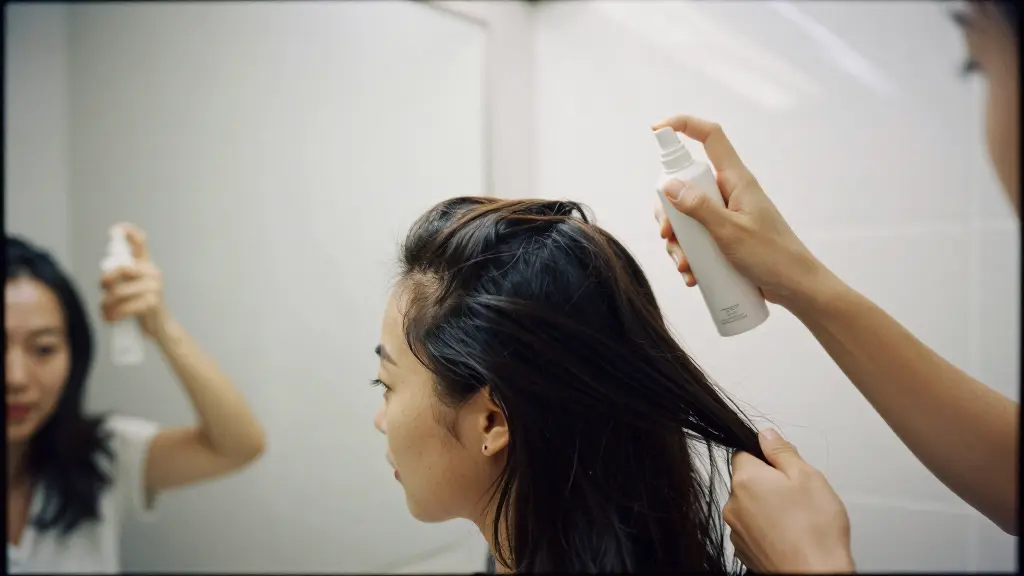
A cooling scalp spray with a fine nozzle is the most practical tool. Look for one with soothing ingredients — aloe, witch hazel, peppermint or tea tree in low concentrations — and part the hair to spray directly on the scalp rather than misting the wig. Aim at the specific area rather than dousing everything.
A cold compress works surprisingly well and costs nothing. Cold temporarily quiets the nerve signals that carry itch, and it reduces the heat that is often driving the problem. Hold a cold pack wrapped in a thin cloth against the outside of the wig over the itchy area for a few minutes. It will not disturb your install.
Tap, do not scratch. Firm tapping or gentle pressure with your fingertips relieves the sensation without breaking the skin. Scratching under a cap with a fingernail or, worse, a rat-tail comb creates tiny abrasions that itch more later and can become genuinely irritated.
Take the wig off if you can. Twenty minutes of air on your scalp resolves heat-driven itch faster than any product. On days when you are home anyway, give yourself that break.
Building Habits That Keep It From Coming Back
Give your scalp scheduled rest. Wearing a unit every single day with no break is where most chronic itch comes from. Even one wig-free day a week, or a few hours each evening, makes a measurable difference.
Do not stretch installs too long. Whatever your usual interval, if itching starts reliably around day ten, take the unit off on day eight. Your scalp is telling you the number.
Keep the wig itself clean. The inside of a cap collects sweat, oil and skin cells. A wig you never wash is putting all of that back against your scalp each morning. Wipe the interior of the cap between wears and wash the unit on a regular schedule.
Watch for patterns. If itch begins within hours of applying one specific product, that product is your suspect. Stop using it for two weeks and see what changes. Reactions to adhesives and removers are common enough that plenty of people simply switch to glueless wearing altogether.
Rethink the cap construction. If you are doing everything right and still overheating, the wig may just be too enclosed for your scalp. Open-weft and breathable cap options for sensitive skin allow far more air circulation, and for many people that single change ends the problem. It is a particularly worthwhile switch if you are also managing hair loss, where scalp comfort matters even more.
When to Stop Troubleshooting and See Someone
Most wig itch is a maintenance problem. Some of it is not, and it is worth knowing the difference.
Book an appointment with a doctor or dermatologist if you have persistent redness or swelling, sores or open bumps, thick or greasy scale that keeps returning, itch that continues even when you are not wearing a unit, an unusual odour, or any noticeable hair loss or thinning in the itchy area. These point to something a topical spray will not resolve, and treating them early is far easier than treating them late.
Sudden intense burning, stinging, or swelling after applying a new product should be washed off promptly, and if it does not settle, get it looked at.
Frequently Asked Questions
Why does my scalp itch more at night?
Skin temperature naturally rises in the evening and blood flow to the skin increases, which heightens itch perception for most people. There are also fewer distractions. If you have worn a unit all day, that is also the point of peak accumulated heat and moisture — which is why taking it off in the evening brings such quick relief.
Can wearing a wig cause dandruff?
A wig does not create dandruff, but the warm, humid environment under a cap can encourage the conditions in which flaking gets worse. If you already have a tendency toward seborrheic dermatitis, you may notice it flares more during periods of heavy wear. Regular cleansing and scalp breaks help; persistent flaking is worth discussing with a doctor.
Is it safe to put oil on my scalp before wearing a unit?
A small amount of a lightweight oil is fine and can help with dryness. Heavy applications are counterproductive — they trap heat, clog the surface and slide against the cap. Think a few drops massaged in, not a coating.
Will switching to a glueless wig stop the itching?
It very often helps, because it removes adhesive and remover from the equation entirely, and those are two of the more common triggers. It will not solve itch caused by heat, buildup or an underlying skin condition, so it is worth identifying your cause first.
How do I scratch without ruining my install?
Use the pads of your fingers to tap firmly, or apply steady pressure to the area for several seconds. A cooling spray through a parted section often stops the urge outright. Avoid pushing anything pointed under the cap — the relief lasts seconds and the irritation lasts days.
Scalp discomfort that keeps coming back despite good habits deserves proper attention. A doctor or dermatologist can identify what is going on far faster than trial and error.