
Lace Canvas — independent hair reviews
Under the lights
it’s a different wig.
Product shots are lit to sell. Venues are not. Optical brighteners make a 613 blonde flare under blacklight. Synthetic fibre throws a hard sheen straight back at a camera flash. And the lace you paid extra for can read as a pale band across your forehead in every photo from the night. We wear it, wash it and restyle it — under the lights you’ll actually be under.
Start with the guides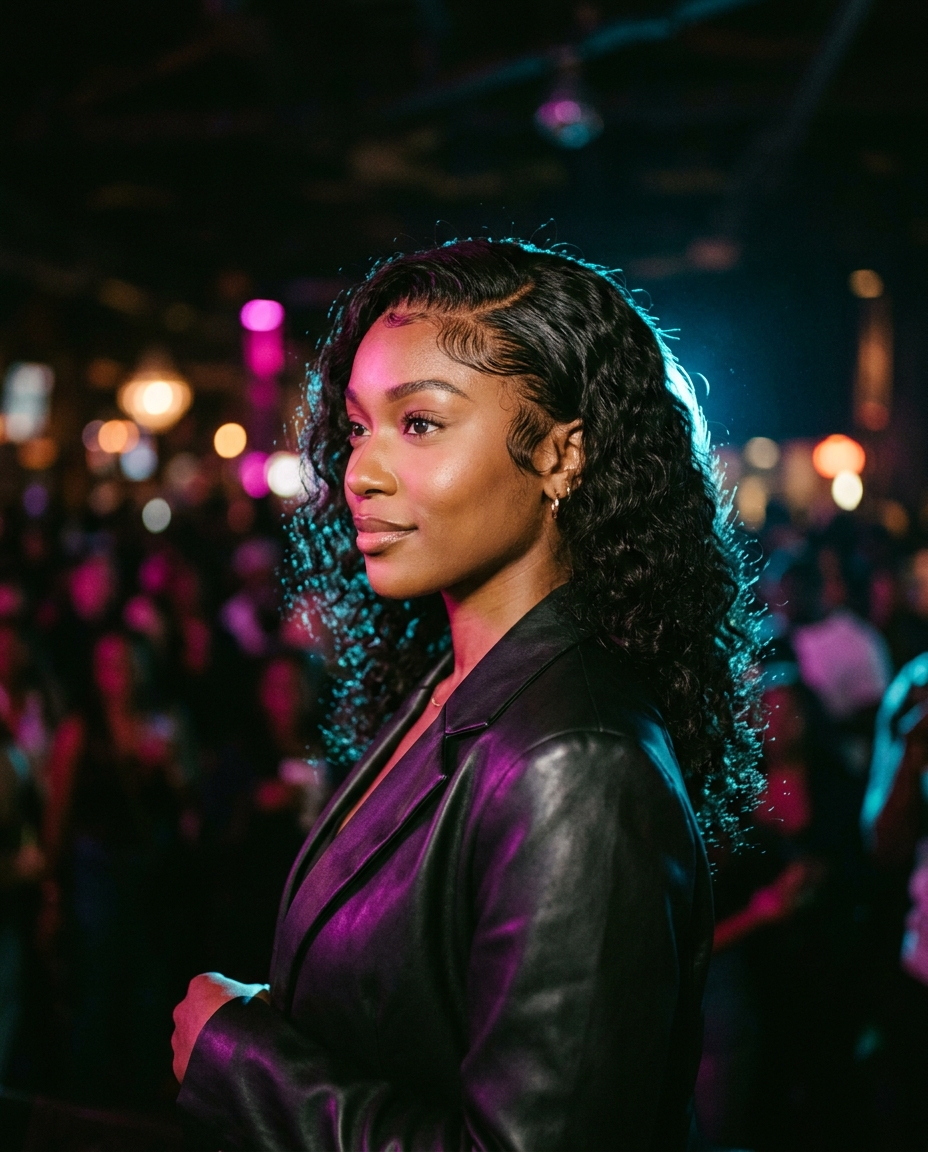
Violet — Fashion violet. A direct dye over a 613 base — it fades a little every wash, so top it up rather than re-bleaching.
What the numbers on the box actually mean
Every listing leans on the same five specs. Almost none of them explain what a spec does once the unit is on your head.
Colour code
- 1B
- Off-black. What most units ship in, and the most forgiving against a dark scalp.
- 4
- Medium chocolate. The warm brunette that hides a shadow root best.
- 27
- Honey blonde. Warm, popular, and the shade most likely to go brassy.
- 613
- Bleach blonde. Pre-lightened, so it takes toner and dye without lifting.
- 99J
- Burgundy. A red-violet base that fades warm rather than orange.
- Violet
- A direct dye. It fades a little every wash, so top it up rather than re-bleaching.
- Azure
- Needs a 613 base underneath, or it pulls green over anything warm.
- Rose
- The most forgiving fashion shade, and the easiest to tone back out.
Density
- 130%
- Light. The most believable on a bare hairline, and the easiest to part anywhere.
- 150%
- The default. Full enough for daily wear without the extra weight.
- 180%
- Noticeably full. Slower to dry, and heavier by the evening.
- 250%
- Stage, editorial and cosplay. More hair than a work day wants.
Length
- 14"
- Collarbone. The shortest length that still covers a cap seam at the nape.
- 18"
- Mid-back. The length most units are sold in.
- 24"
- Waist. Needs a stand overnight and detangling every day.
- 30"
- Hip. Heavy on the cap, and it will tangle against clothing.
Curl type
- 1A–1C
- Straight. Shows shine, grease and a cap line before anything else does.
- 2A–2C
- Wavy. Wants light hold — heavy cream drops the wave by noon.
- 3A–3C
- Curly. Diffuse the heat, and never brush it dry.
- 4A–4C
- Coily. The most moisture, and the least manipulation.
Fibre
- Standard synthetic
- Steam only. An iron sets the shape permanently, or melts it outright.
- Heat-safe synthetic
- Check the packet. Brands differ, and the fibre does not recover.
- Human hair
- Takes heat, colour and toner much like your own hair does.
Two specs catch people out. Length is measured stretched, so a 24" curly unit hangs closer to 16". And density is measured against a full head of hair — not against how much of your own you still have.
Twenty-two things that go wrong
Before you replace a unit, find out whether it can be saved. Every guide is tagged by what the fix costs you.
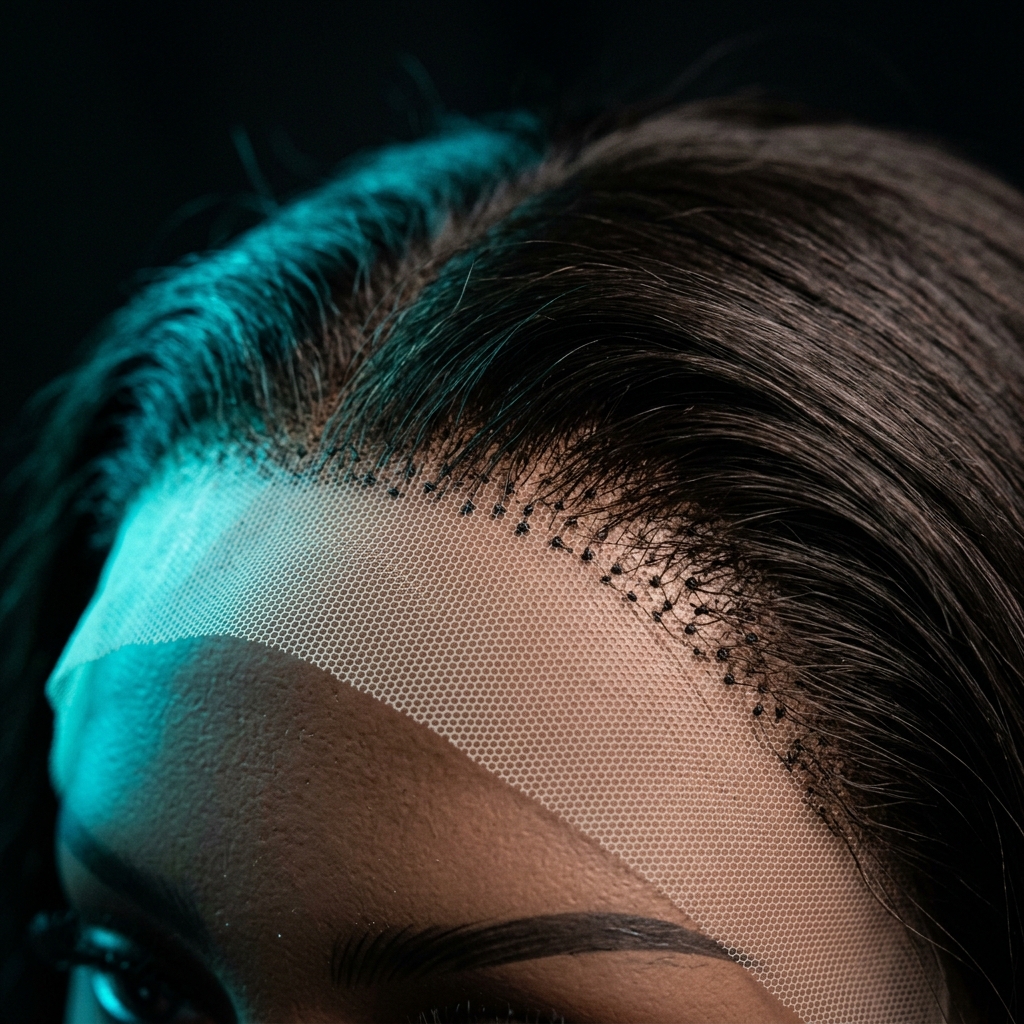
Lace & cap
09 guides- 01Cut the lace on a frontal wig, for beginnersPermanent
- 02Pluck a lace front hairline, step by stepPermanent
- 03Lay down stubborn baby hairs on a lace frontReversible
- 04Keep a glueless lace front from slipping at the gymReversible
- 05Fix torn lace on a frontal wigRepair
- 06Prevent wig headache from tight elastic bandsReversible
- 07Hide thick, long hair under a wig capReversible
- 08Protect natural hair underneath a sew-in or wigRoutine
- 09Soothe an itchy scalp under a lace frontRoutine
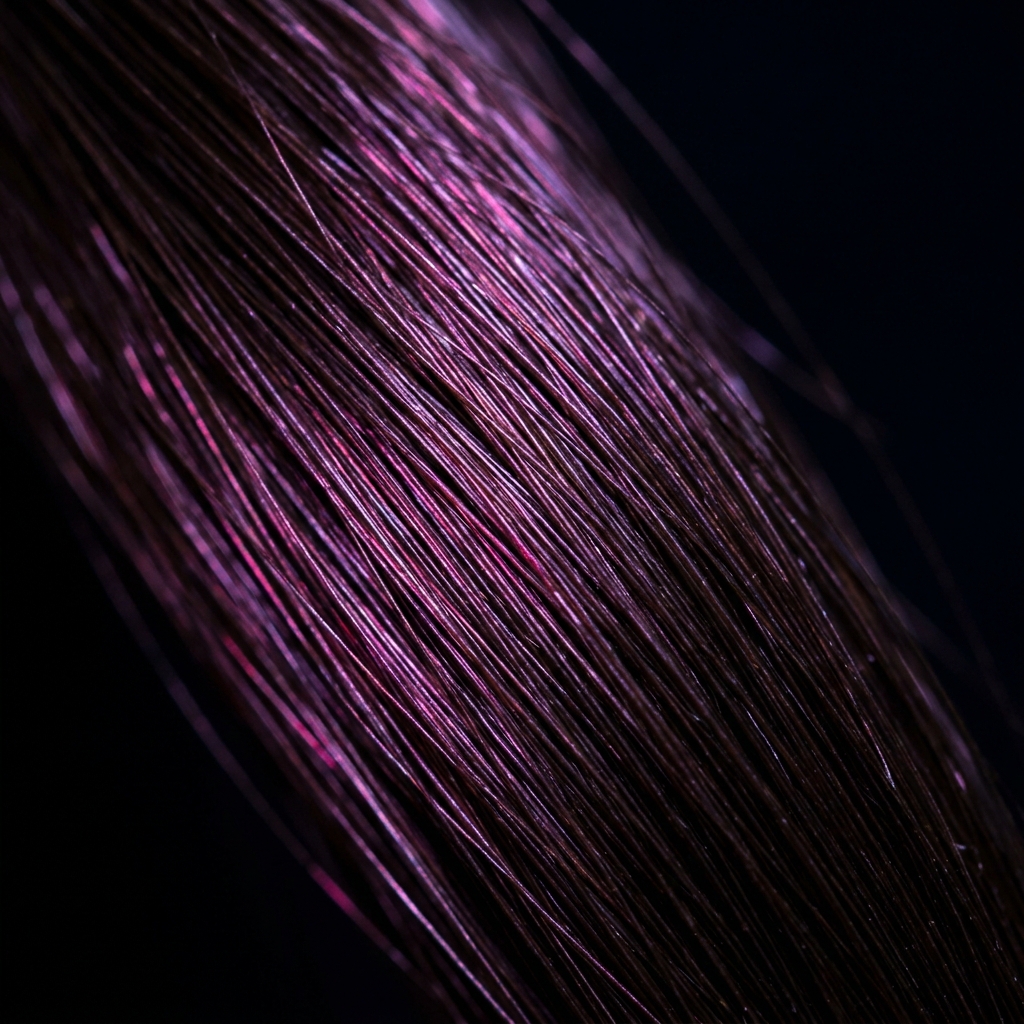
Fibre & upkeep
05 guides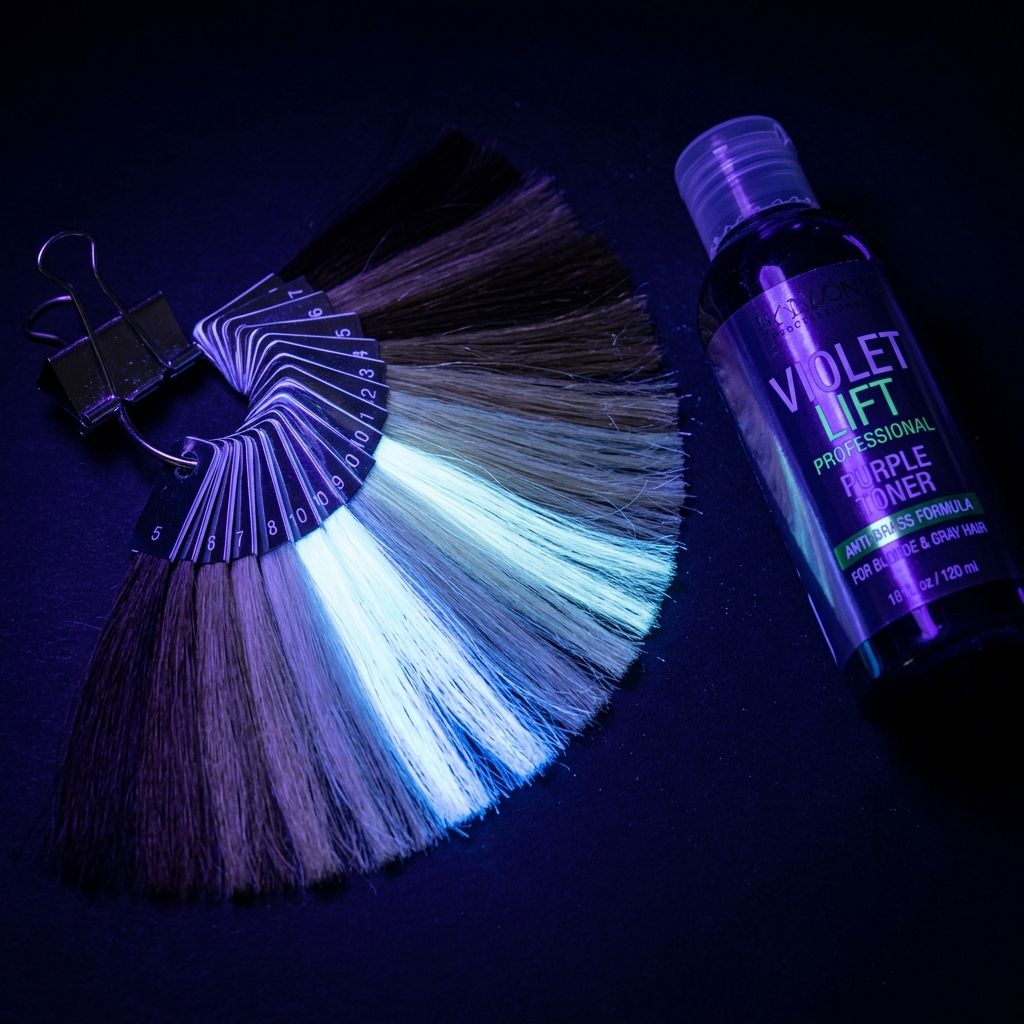
Colour
04 guides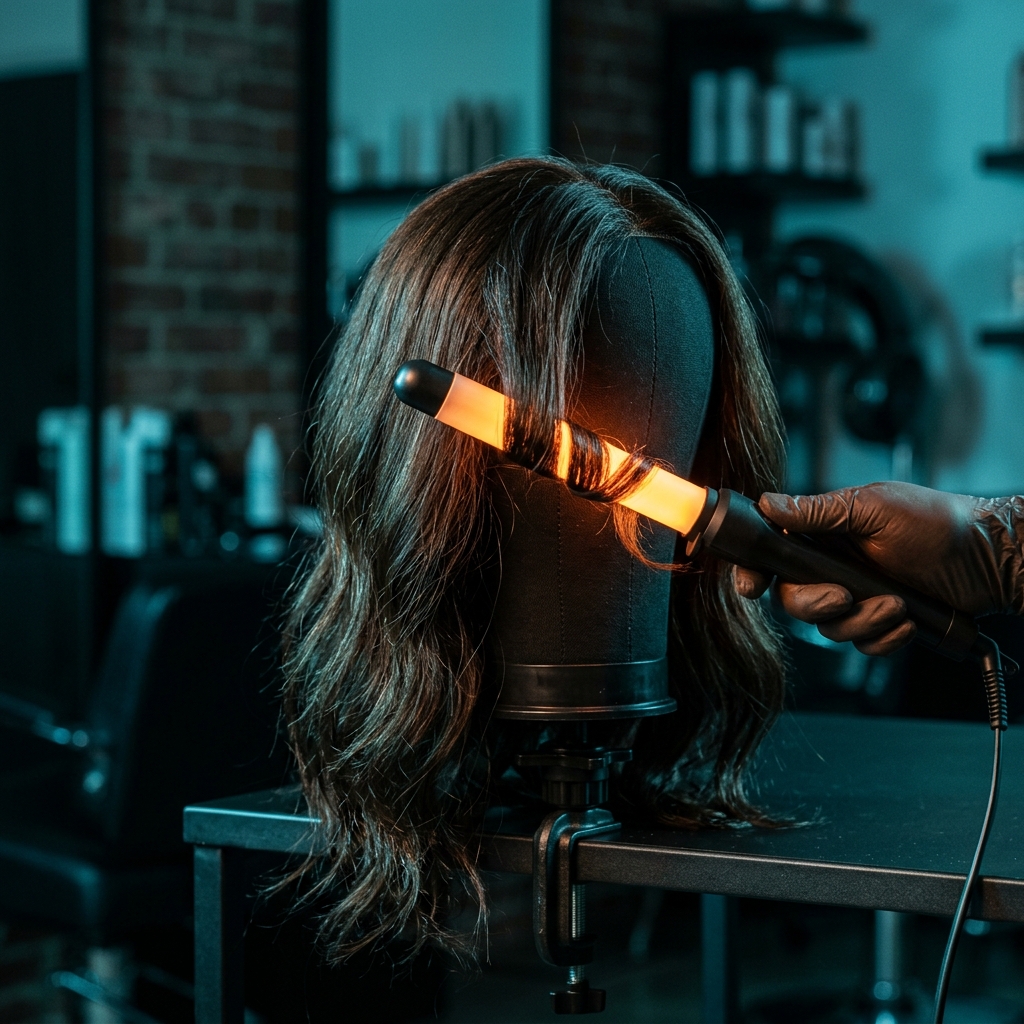
Texture & heat
04 guidesWhat we measure, and with what
The same four checks on every unit and every tool, so a number in one review means the same thing in the next.
Shed count
Strands collected after three washes on a bare stand — counted, not estimated. Shedding tells you how the wefts and knots were finished.
Fibre limit
The temperature at which fibre stops recovering, found in 10 °C steps on a spare weft. Never on the unit, because that part is permanent.
Band tension
Measured at the nape after six hours of wear. It is the single best predictor of whether a cap will give you a headache.
Flash & UV
Every unit is photographed under a camera flash and a blacklight. Synthetic sheen and optical brighteners only show up under the lights you will actually be under.