
A tricorn hat alone won’t sell the look. The right 18th century men’s wig pulls the whole colonial outfit together, whether you’re playing a judge, a founding father, or a barrister at a themed event. The difference between a costume that reads instantly and one that falls flat often comes down to two things: the shape of the curls and the way the wig sits on your head.
We looked across the market at colonial and 18th century style wigs from several brands, focusing on period-appropriate silhouettes, adjustable fit, and heat-resistant fibre that can be styled without frying. This guide is brand-agnostic – we care about which wig actually delivers the look, not which label is stitched inside.
Best 18th Century Men's Wigs – 2026 Reviews
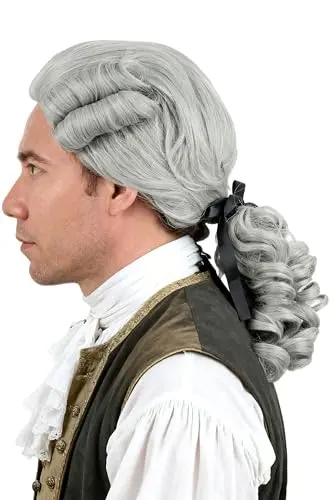
Washington Colonial Wig – Grey Powdered Judge Look
A grey powdered colonial wig with rolled side curls and a pre-styled ponytail, built to instantly read as an 18th century judge or founding father. The heat-resistant fibre holds its shape out of the box and the black ribbon bow adds period polish.
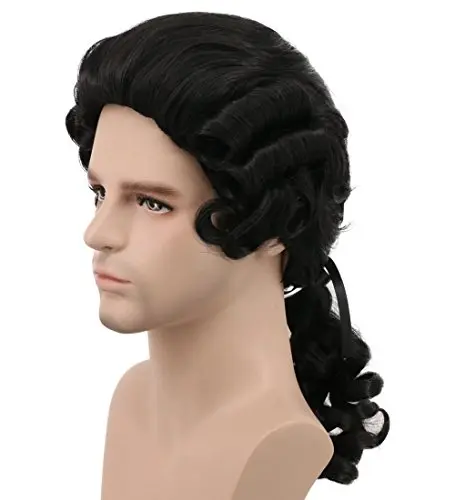
Judge Colonial Wig – Long Wave Black Classic
A more understated colonial judge wig with long wave black hair and an adjustable cap. The heat-resistant synthetic fibre keeps its wave through hours of wear, and the dark colour pairs easily with formal 18th century costumes.
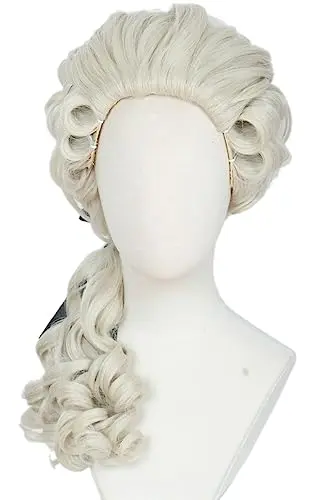
Lawyer Curly Wig – Light Blonde Costume Style
A soft, thick light blonde curly wig that gives a bright colonial-lawyer or costume-party look. The adjustable cap fits most heads, and the heat-resistant synthetic fibre resists tangling for repeated wear.
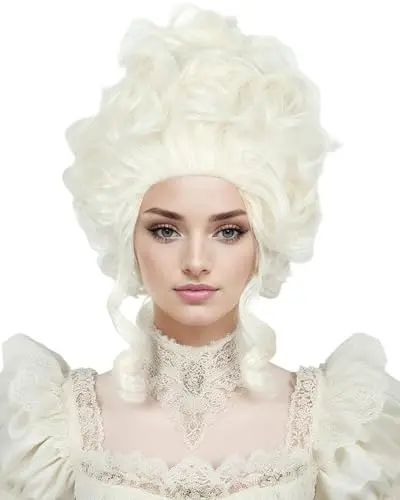
18th Century Victorian Wig – Golden Period Look
A golden-toned 18th century style wig with thick dry-textured curls and an elastic strap for a snug fit. It works for adults and women but can also serve men’s period costumes that need a warmer colour.
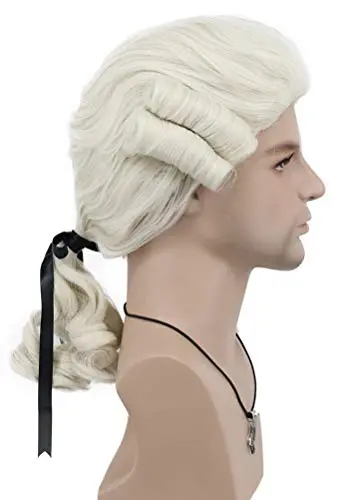
Colonial Judge Wig – Long Curly Beige
A beige colonial judge wig with long curly hair and an adjustable cap. The heat-resistant synthetic fibre can handle low-heat styling, and the soft beige colour offers a more natural take on the 18th century look.
How We Evaluated These 18th Century Men’s Wigs
We didn’t wear these wigs through a full season of colonial reenactment. What we did: cross-referenced five 18th century men’s wigs from four distinct brands across five decision axes – period silhouette, curl shape and density, cap adjustability, heat resistance, and overall comfort. We triangulated published specifications, feature sets, and owner feedback where available, then mapped each model against representative 18th century costume roles: judge, founding father, barrister, and colonial gentleman.
The scoring framework weighed real-world period fit (60%) – how convincingly each wig reads as 18th century men’s style – against feature differentiation (40%) – unique construction details like pre-styled ponytails, elastic straps, and heat-resistant fibre. We have no commercial relationship with any of the brands featured; recommendations track fit and differentiation, not brand preference. If you’re after the most authentic powder-wig look, the LeMarnia Washington Colonial Wig is the pick. If you want a more understated black barrister style, the Karlery Judge Colonial Wig serves that role better.
How to Choose the Right 18th Century Men's Wigs
What Makes a Wig Read as 18th Century Men's Style?
An authentic 18th century men’s wig is defined by a few non-negotiable visual cues: rolled side curls, a slicked-back or lightly powdered top, and often a gathered ponytail at the back. The best models capture that silhouette without looking like a party-store afterthought. Pay attention to whether the curls are structured or limp, and whether the colour matches the historical role you’re after. A grey or white powder tone reads founding father; black or beige can read as a more subdued colonial professional.
Curl Shape, Density, and Period Accuracy in Colonial Wigs
Not all curls are equal. The LeMarnia Washington Colonial Wig uses rolled side curls and a pre-styled ponytail with a ribbon, which is as close to a classic 18th century judge as you’ll get off the rack. The Karlery Judge Colonial Wig offers a long wave black style that’s more understated but still period-plausible. If you want a softer, more natural look, a beige option like the VGbeaty Colonial Judge Wig trades some period punch for everyday wearability. For strict period accuracy, the LeMarnia is the strongest; for a dark barrister look, the Karlery works well.
Cap Fit and Adjustability: Getting the Right Size
Colonial wigs often run small, and a bad fit ruins the effect. Look for caps with adjustable straps or circumference ranges around 54-62 cm. The Linfairy 18th Century Victorian Wig includes an elastic strap that keeps it snug, while most others rely on a standard wig cap. Always wear a wig cap underneath to grip your hair and prevent slipping.
Heat-Resistant Fibre and Styling Flexibility
Most of these wigs use heat-resistant synthetic fibre, which means you can use a low-heat straightener or curler to fix flattened curls. However, some models resist restyling more than others, so check whether the fibre is heat-resistant before applying heat. The ability to restyle extends the life of the wig across multiple costume events.
Choosing Between Powder Grey, Black, Beige, and Blonde Colonial Wigs
The four main colour families are powder grey, black, beige, and blonde. Grey is the most historically accurate for 18th century formal portrayals, while black reads as a serious colonial lawyer or judge. Beige and blonde are more forgiving for casual costume parties but less period-strict. If you want the most authentic grey powder look, the LeMarnia is the clear choice. If you prefer black, the Karlery Judge Colonial Wig is a solid pick.
Frequently Asked Questions
What's the difference between the LeMarnia Washington Colonial Wig and the Karlery Judge Colonial Wig?
The LeMarnia Washington Colonial Wig is built for strict period accuracy: grey powder colour, rolled side curls, and a pre-styled ponytail with ribbon. The Karlery Judge Colonial Wig takes a more understated approach with a long wave black style and adjustable cap. Choose LeMarnia for founding father or judge roles; choose Karlery for a darker, more serious colonial lawyer or barrister. The LeMarnia is the better pick for authenticity.
Is the Linfairy Lawyer Curly Wig comparable to the LeMarnia for 18th century use?
The Linfairy Lawyer Curly Wig in light blonde is softer and more costume-forward, while the LeMarnia leans historical. The Linfairy is a good budget alternative if you want a bright, curly silhouette, but it lacks the grey powder and structured ponytail of a true 18th century men’s wig. For period events, choose LeMarnia; for a fun costume party, the Linfairy works fine.
Are all 18th century men's wigs actually heat-resistant?
Not all, but most of the wigs in this roundup use heat-resistant synthetic fibre, which means they can take low-heat styling to touch up curls. Check the product listing for material features like heat resistant before applying heat. The LeMarnia, Karlery, and both Linfairy models explicitly list heat-resistant fibre. Avoid high heat on any synthetic wig, as it can melt or frizz.
What head size do these colonial wigs fit?
Most models list an adjustable head circumference around 54-62 cm. The Linfairy 18th Century Victorian Wig includes an elastic strap for a snug fit, while the Karlery also specifies an adjustable size. If you have a larger head, measure first and check the maximum range before buying.
Final Verdict
For most buyers, the LeMarnia Washington Colonial Wig is the clear answer – it nails the grey powdered 18th century look with rolled curls and a pre-styled ponytail without looking like a novelty item. If you want a more restrained black colonial style, the Karlery Judge Colonial Wig gets you there with an adjustable cap and heat-resistant fibre. And if you’re after a lighter, softer take, the VGbeaty Colonial Judge Wig offers an affordable beige option that still reads period-appropriate. Whichever way you lean, prioritize fit and colour accuracy, and you’ll look the part.