
A blonde wig with dark roots solves a real problem: it makes light hair look grown-out and natural instead of flat and brassy. The rooted effect frames the face, blends with your skin, and saves you from harsh regrowth lines. But not every blonde lace front delivers on the promise. Lace width, density, hairline pre-plucking, and fibre type all separate options that look real from options that read costume.
We compared popular blonde lace front wigs with dark roots across multiple brands, weighing synthetic versus human hair, 13×4 versus 13×6 lace, and everyday wearability. Whether you want a long wavy synthetic or a premium human-hair bob, this guide breaks down which tradeoffs actually matter and which ones don’t.
Best Blonde Lace Front Wigs with Dark Roots – 2026 Reviews
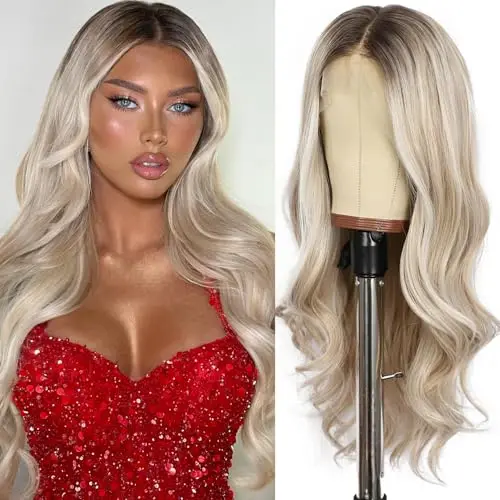
13×4 Lace Front – Blonde with Dark Roots

13×4 Bob Wig – Human Hair Dark Roots Blonde
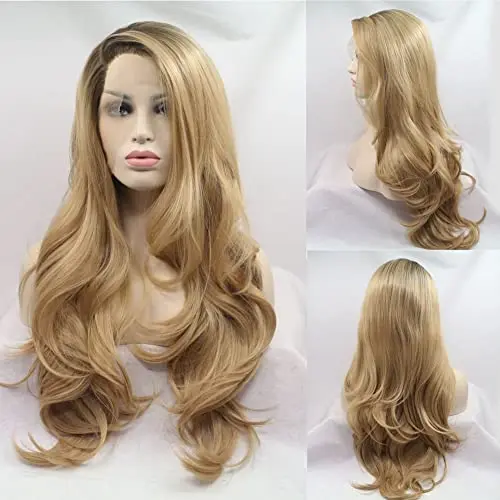
Side Part Wavy – Brown Blonde with Dark Root
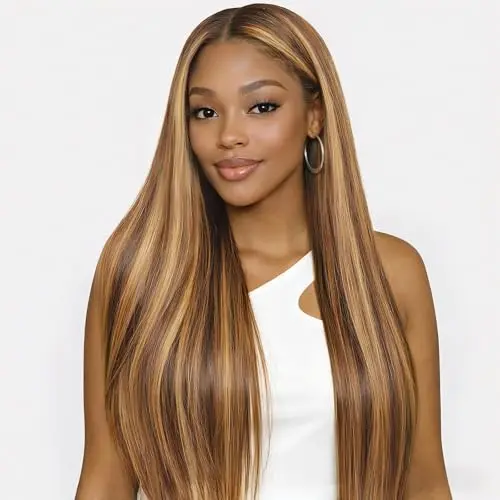
13×6 Drawstring – Honey Blonde Highlight
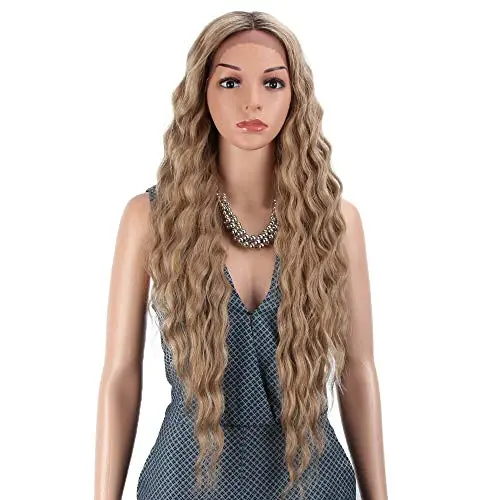
Long Wavy Lace Front – Ombre Black to Honey Blonde
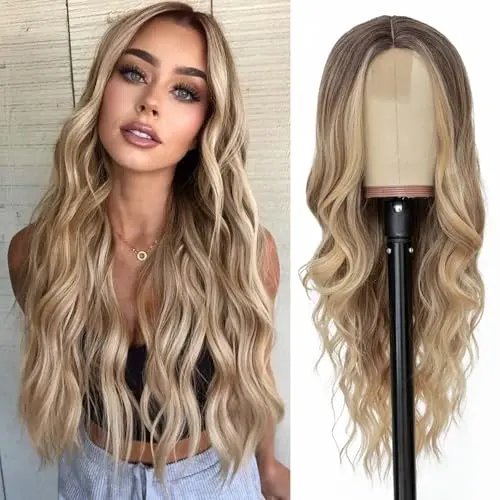
Middle Part Wavy with Bangs – Ombre Blonde
How We Evaluated These Blonde Lace Front Wigs with Dark Roots
We didn’t wear these wigs for a full season or run lab fibre tests. What we did: cross-referenced 6 blonde lace front wigs with dark roots from 6 distinct brands across 5 decision axes – lace type and size, fibre quality (synthetic vs human hair), density and fullness, cap security and fit, and heat-styling tolerance. We triangulated published specifications, feature sets, and owner feedback where available, then mapped each option against typical buyer profiles: first-time wig wearers, daily users, and anyone prioritizing a natural dark-root blend.
The scoring framework weighted real-world performance (60%) – how convincingly each wig reads as natural and holds up through a wear – against feature differentiation (40%) – unique technical advantages like 13×6 lace, 200% density, or pre-plucked baby hair. We have no commercial relationship with any of the brands featured; recommendations track fit and differentiation, not brand preference. If you want an easy synthetic option, the BABEHERS 13×4 Lace Front is our top pick; if you prefer human hair, the Msviki Bob Wig is the premium alternative.
We also paid attention to things specs don’t always capture: how securely the cap stays put without glue, whether the lace is truly transparent across skin tones, and how much customization a new wearer will realistically need. Those everyday details often decide whether a wig gets worn once or becomes a staple.
How to Choose the Right Blonde Lace Front Wigs with Dark Roots
Synthetic vs Human Hair: Which Blonde Dark-Root Wig Is Right for You?
Synthetic wigs are easier to maintain, hold their style out of the box, and cost less. The trade-off is a shorter lifespan and occasional shine in harsh light. Human-hair wigs like the Msviki Bob Wig move and feel more natural; you can dye, bleach, and restyle them just like your own hair. But they need regular washing and conditioning. For a first wig or a costume piece, synthetic is great. For an everyday replacement, human hair often wins despite the upkeep.
Lace Front Size and Hairline Realism in Blonde Lace Front Wigs
The lace area dictates how convincingly the wig blends at the hairline. A 13×4 lace front covers the forehead from ear to ear and supports side or centre parts. A 13×6 lace front adds extra parting space for deeper, more creative styles. Look for terms like pre-plucked hairline, bleached knots, and baby hair – these reduce the need for customization. The BABEHERS 13×4 Lace Front is a strong example of a beginner-friendly pre-plucked unit.
Density and Root Contrast: Getting the Dark-Root Blonde Balance
Density percentage tells you how full the wig looks. 130% to 150% is realistic for daily wear; 180% to 200% gives a fuller, more glamorous finish but can feel heavy. The dark-root effect works best when the transition is gradual rather than a harsh line. An ombre black to honey blonde or brown-blonde ombre creates that natural grown-out look. Pay attention to the root shade-too dark can look stark on lighter skin, too light loses the dimension.
Cap Fit, Glueless Wear, and Everyday Security
Most wigs here use adjustable straps and combs to stay put without adhesive. A rose-net cap or drawstring design can make a big difference in comfort during long wear. If you’re new to glueless wigs, look for a silicone band or extra combs. The cap should feel snug but not tight; a circumference around 21.5 to 22.5 inches fits most adults. Always adjust the straps before trimming any lace.
BABEHERS vs Msviki: Which Blonde Lace Front with Dark Roots Should You Choose?
These two represent opposite ends of the spectrum. The BABEHERS 13×4 Lace Front is a synthetic unit with a pre-plucked hairline and body wave – great for beginners who want an easy, low-maintenance look. The Msviki Bob Wig is human hair at 180% density, offering more realism and styling freedom but requiring more care. If you want convenience, go BABEHERS. If you want a premium, restyleable bob, choose Msviki.
Frequently Asked Questions
What's the difference between the BABEHERS 13×4 and the Msviki 13×4 Bob wig?
The BABEHERS 13×4 Lace Front is synthetic, with 150% density and a body wave pattern. It’s pre-plucked and ready to wear out of the box. The Msviki Bob Wig is human hair at 180% density with a straight bob cut. You can dye, bleach, and restyle the Msviki, but it needs more maintenance. For an easy synthetic option, BABEHERS 13×4 Lace Front is our pick. For a premium human-hair bob, choose Msviki.
Should I choose a synthetic or human hair blonde lace front with dark roots?
It depends on your budget and styling habits. Synthetic wigs hold their shape, cost less, and require minimal care, but they can tangle and won’t last as long. Human-hair wigs look and move more naturally, can be heat-styled, and can be recoloured. However, they need regular washing, conditioning, and restyling. If you plan to wear the wig daily and restyle often, human hair is worth it. For occasional wear, synthetic is perfectly serviceable.
Are all blonde lace front wigs actually lace front?
Not always. Some wigs labelled as lace front only have a small lace strip at the front, while others use a full 13×4 or 13×6 lace frontal that goes ear to ear. Check the product details for lace front depth and hand-tied hairline. A true lace front allows you to part the hair freely and gives a more natural hairline. If the listing doesn’t specify lace size, it’s likely a basic cap with a lace strip.
How do I keep a dark-root blonde wig from tangling?
Use a wide-tooth comb or your fingers to detangle from the ends upward. For synthetic wigs, a light mist of water and diluted conditioner helps reduce friction. Avoid brushing wet synthetic hair. Store the wig on a stand or in a satin bag to prevent matting. Heat-resistant fibres can be refreshed with a low-heat straightener, but never exceed the recommended temperature.
Final Verdict
For most buyers, the BABEHERS 13×4 Lace Front is the best overall – it nails the blonde with dark roots look with a pre-plucked hairline, 13×4 HD lace, and a beginner-friendly synthetic fibre. If you want a premium human-hair option, the Msviki Bob Wig offers 180% density and full restyleability. For maximum parting versatility, the Beluck 13×6 Drawstring is a strong human-hair alternative. And if you’re watching your budget, the NAYOO Middle Part with Bangs is the low-commitment way to try the rooted blonde trend. Choose based on fibre type, lace size, and how much styling you actually want to do.