
A proper 180 density lace front wig hits the sweet spot between too thin and costume-thick. It gives you enough volume to look natural without the bulk that screams ‘wig’. If you’ve been eyeing a full, realistic hairline, 180 density is the number that keeps showing up in reviews and styling forums.
But density is only one part of the equation. Cap construction, lace size, pre-plucking, and hair texture all change how the wig sits and moves. We compared top 180 density lace front wigs across brands to cut through the noise, so you can pick one that works with your routine, not against it.
Best 180 Density Lace Front Wigs – 2026 Reviews
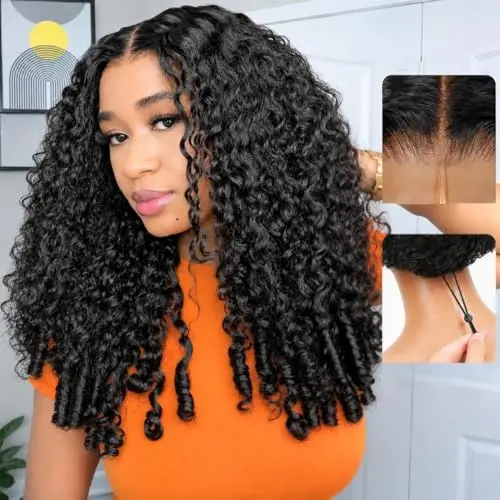
13×4 T-Part Drawstring Curly – Burmese Virgin Hair
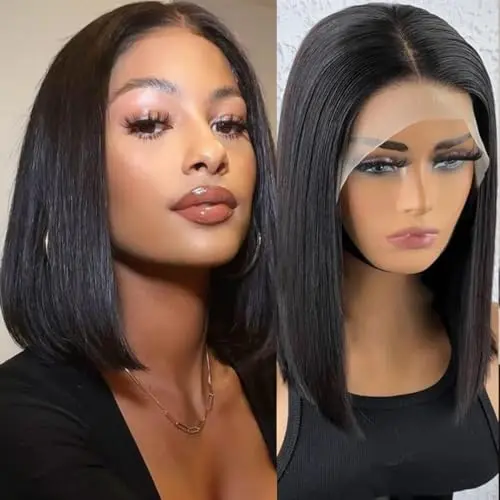
13×4 Lace Front Bob – Pre-Plucked Natural Hairline
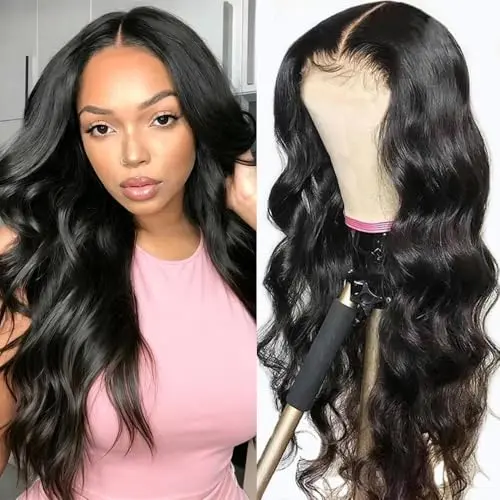
13×4 HD Lace Front Body Wave – Pre-Plucked with Baby Hair
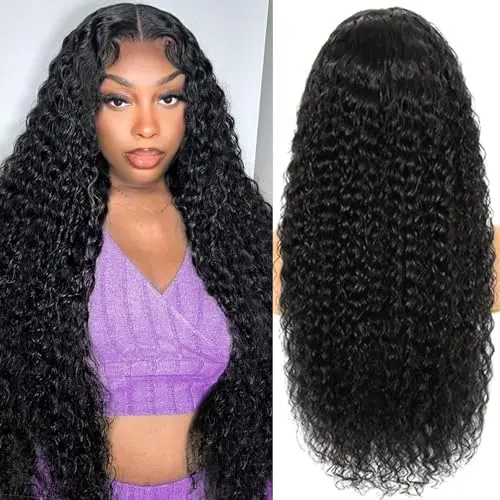
5×5 HD Lace Closure Glueless – Ready-to-Wear Deep Wave
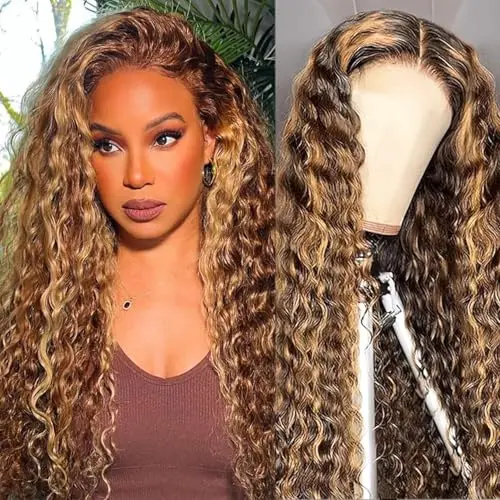
13×6 HD Lace Front Deep Wave – Ombre Highlight 180% Density
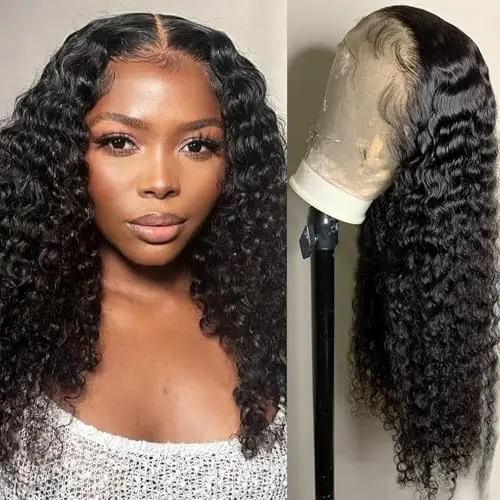
13×6 HD Lace Frontal Deep Wave – Invisible HD Lace
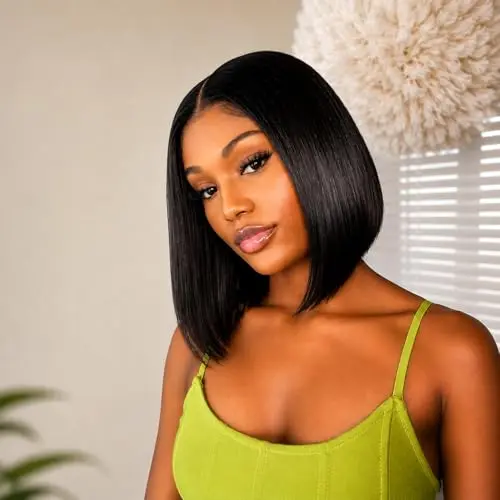
4×4 HD Lace Front Bob with Bangs – Wear and Go Straight
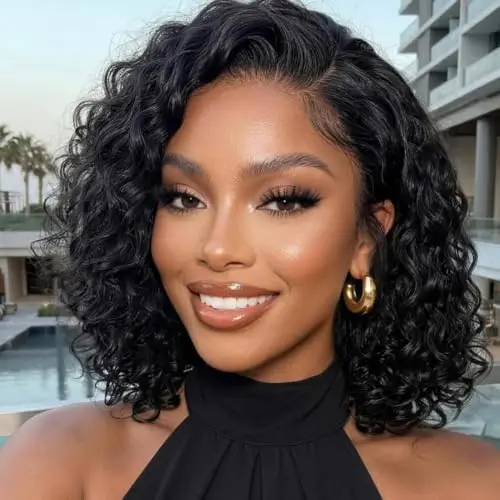
13×4 Lace Front Deep Wave Bob – Short Curly Bob
How We Evaluated These 180 Density Lace Front Wigs
We didn’t wear these wigs for weeks on end. What we did: cross-referenced 8 lace front wigs from 8 distinct brands across 7 decision axes – lace size, cap construction, pre-plucking, hair texture, styling flexibility, density consistency, and attachment method. We mapped published specifications, triangulated owner feedback where available, and weighed use-case fit for everyday buyers who want natural volume without hours of customization.
The scoring framework weighted real-world performance (60%) – how well each wig holds up to actual wear, installation ease, and natural appearance – against feature differentiation (40%) – unique advantages like drawstring caps, hypoallergenic lace, or pre-cut glueless designs. We have no commercial relationship with any of these brands; recommendations track fit and differentiation, not brand preference. If you want the easiest all-rounder, the Younsolo 13×4 T-Part Drawstring Curly is our top pick. If you prefer a shorter, pre-plucked bob, the Querary 13×4 Lace Front Bob is a great alternative.
We also audited the smaller details that matter after several wears – lace blending, cap comfort, and how well the hair holds a style. Where owner feedback was spotty, we leaned on published specifications and included accessories rather than filler. That kept the evaluation focused on what actually makes a 180 density lace front wig work for you.
How to Choose the Right 180 Density Lace Front Wig
What Does 180 Density Actually Mean for a Lace Front Wig?
180 density refers to how much hair is sewn into the cap, expressed as a percentage of average natural density. It’s the sweet spot between too thin and too thick – enough volume to look full, but not so much that the wig feels heavy or unnatural. A lace front wig with 180 density will have consistent coverage from front to back, which is why this density is so popular for everyday wear. If you want a natural-looking fullness that doesn’t scream ‘wig’, 180 is a reliable benchmark.
Lace Size and Cap Construction: 4×4, 5×5, 13×4, 13×6 Explained
The lace size determines how much parting freedom you have. A 4×4 or 5×5 closure gives a small, neat parting area, great for low-maintenance styles. A 13×4 front offers a wider parting, while a 13×6 provides even more room for creative styles. Cap construction matters just as much: look for adjustable straps, combs, or a drawstring for a secure fit. Some wigs are fully glueless with pre-cut lace, which is a godsend for beginners.
Texture and Styling Versatility: Straight, Body Wave, Deep Wave, Curly
The hair texture changes everything. Straight wigs are sleek and easy to manage. Body wave gives a soft, bouncy look with minimal effort. Deep wave and curly textures deliver volume and drama but need more moisturizing to prevent tangling. All the wigs in this roundup use human hair, so you can dye, straighten, or curl them as you like. Just remember that heat styling always requires protection.
Glueless vs Combs and Adjustable Straps: Choosing Your Attachment
Some wigs are glueless, meaning they rely on combs, elastic bands, or drawstrings to stay put – no adhesive required. That’s a huge advantage if you have a sensitive scalp or just want a quick install. Others use adjustable straps and combs, which are secure but may need readjustment after a few hours. If you’re new to wigs, a glueless wear-and-go option with pre-cut lace is the easiest starting point. Experienced wearers may prefer the precision of a lace front with pre-plucked hairline and baby hairs for a seamless blend.
Common Pitfalls When Buying a 180 Density Lace Front Wig
First, verify the actual density – not every listing is accurate, and some brands may label 150 as 180. Second, check the lace colour against your skin tone; HD lace is usually forgiving but can still show on deep or fair complexions. Third, consider cap size – most are medium, but if you have a larger head, look for adjustable straps or a bigger cap. Finally, be realistic about maintenance: curly textures need regular conditioning, and all human hair wigs benefit from gentle washing and air-drying.
Frequently Asked Questions
What's the difference between the Younsolo 13×4 T-Part Drawstring and the Coshgirl 5×5 Lace Closure?
The Younsolo uses a 13×4 T-part lace with a drawstring cap, so you get a slightly wider part and a pull-to-tighten fit. The Coshgirl uses a 5×5 HD lace closure that’s pre-cut and glueless, making it even easier for beginners. Both have 180 density and deep wave or curly textures. Choose the Younsolo if you want a customizable fit; choose the Coshgirl if you want the fastest install and a smaller, neat parting area.
Is the Querary bob or the LJZYW body wave better for beginners?
Both are excellent choices, but the Querary 13×4 bob is shorter and simpler – less hair to manage, no complicated parting needed. The LJZYW body wave is longer and requires a bit more styling to keep the wave defined. If you’re new to wigs, the glueless cap and pre-plucked hairline on the Querary make it very forgiving. The LJZYW is better if you want more length and don’t mind a little extra maintenance.
What does 180 density really mean for a lace front wig?
180 density indicates the amount of hair per square inch, expressed as a percentage of an average full head of hair. It sits in the medium-to-full range – thicker than 130 or 150, but less bulky than 200 or 250. For a lace front wig, 180 gives you a natural-looking fullness that works for daily wear and special occasions without feeling heavy. It’s a popular choice because it balances volume and realism.
Can I wear a 180 density lace front wig without glue?
Yes, many of these wigs are glueless. The Coshgirl 5×5 and Tryfey 4×4 bob are pre-cut and designed for wear-and-go installation. They use combs, adjustable straps, or drawstrings to stay secure. If you prefer a completely adhesive-free routine, look for a wig with a pre-cut lace and a secure cap, like the Coshgirl 5×5. Glue is optional, not mandatory, for most 180 density lace front styles.
Final Verdict
For most buyers, the Younsolo 13×4 T-Part Drawstring Curly is the answer – it nails natural volume with a quick, adjustable install and styling flexibility. If you want a shorter, pre-plucked style, the Querary 13×4 Lace Front Bob gets you there with less maintenance. For a true glueless, ready-to-wear experience, the Coshgirl 5×5 Lace Closure is purpose-built for beginners. And if you love a soft wave, the LJZYW Body Wave is a solid everyday pick.