
A good synthetic wig can look fantastic until the first snag. Synthetic fibres are more prone to static, frizz, and heat damage than natural hair, so brushing technique matters as much as the brush itself.
We cross-shopped the market to find brushes that detangle without pulling and smooth without snapping fibres. Whether you’re refreshing a daily wig or styling a heat-friendly unit, the right tool keeps the cap intact and the fibres glossy. Here are the brushes we’d reach for first.
Best Brushes for Synthetic Wigs – 2026 Reviews
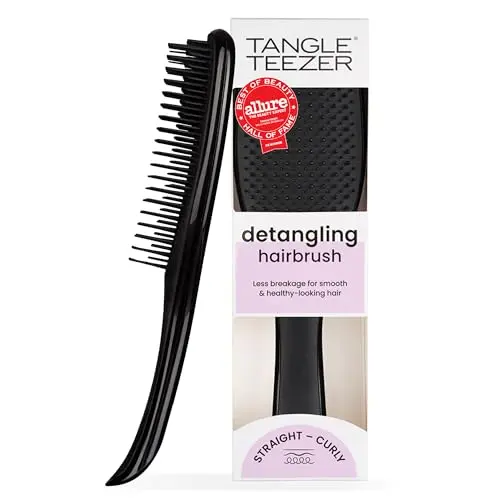
Ultimate Detangler – Gentle Two-Tier Detangling
A gentle detangler with regular-flex teeth that works through knots on wet or dry hair without tugging. The two-tiered design separates tangles while smoothing the cuticle, making it a strong match for synthetic wigs that need careful handling.
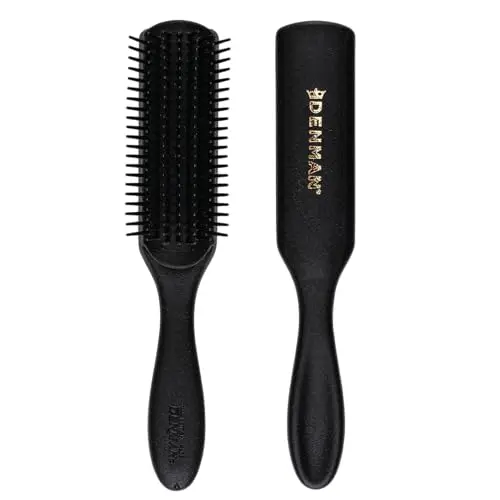
D3 Ultimate Detangler – Anti-Static Wig Styling
The classic Denman D3 layout uses seven rows of round-ended nylon pins to glide through synthetic wigs, extensions, and natural curls. The anti-static rubber pad adds grip and reduces flyaways, while the half-round shape helps define curls and waves.
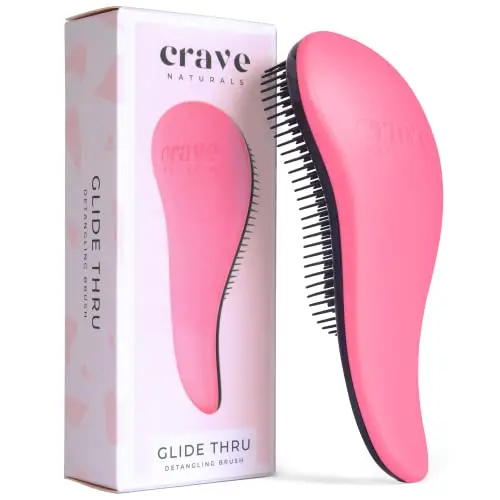
Glide Thru Detangler – Painless Knot Release
Cone-shaped bristles work sideways through tangles, making detangling less painful for both natural hair and delicate synthetic wigs. The compact oval head fits in a bag, and the flexible plastic bristles are gentle on the scalp.
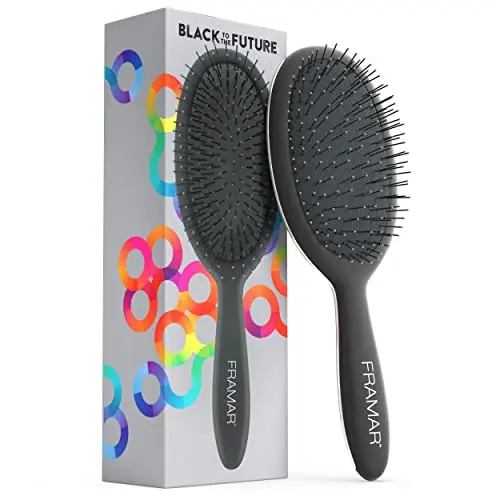
Detangling Brush – Flexible Wet & Dry Wig Detangler
Soft, flexible plastic bristles separate tough tangles without yanking, a key requirement for synthetic wig maintenance. The brush works on wet or dry hair and is gentle enough for sensitive scalps, with a non-slip handle for control.
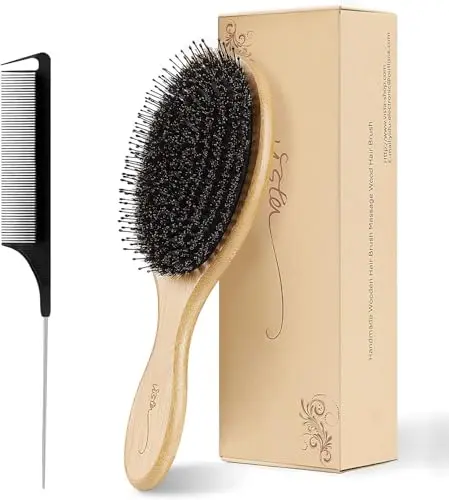
Boar Bristle Brush – Smoothing & Shine with Tail Comb
A mixed natural boar and nylon bristle brush that helps smooth and add shine while the nylon pins penetrate thicker sections. The included tail comb is handy for sectioning wigs, and the bamboo handle is comfortable to hold.
How We Evaluated These Brushes for Synthetic Wigs
We didn’t run long-term wear trials on synthetic wig fibres. What we did: cross-referenced 5 brush models from 5 distinct brands across 6 decision axes – bristle material, detangling gentleness, anti-static behaviour, wet/dry compatibility, included accessories, and handle ergonomics. We triangulated published specifications, feature sets, and owner feedback where available, then mapped each brush against representative synthetic wig care scenarios: everyday detangling, styling curly wigs, smoothing flyaways, and travel touch-ups. Brushes with flexible bristles or anti-static pads earned higher marks for wig safety.
The scoring framework weighted real-world detangling and anti-static performance (60%) against feature differentiation (40%) – things like an anti-static pad, cone-shaped bristles, or a tail comb that change how the brush behaves on synthetic fibres. We have no commercial relationship with any of the brands featured; recommendations track fit and differentiation, not brand preference. We did not measure static cling with lab instruments, but we weighed the design details most likely to reduce snags. If you’re detangling a synthetic wig daily, the Tangle Teezer Ultimate Detangler is your match; if you want anti-static styling and curl definition, the Denman D3 serves that better.
How to Choose the Right Brushes for Synthetic Wigs
Why Bristle Type Matters for Synthetic Wigs
Synthetic wig fibres don’t absorb natural scalp oils, so they rely on the brush to distribute product and control static. Nylon pins glide smoothly and can define curls, while plastic cone bristles flex to release knots without snapping. Boar bristles are better for smoothing and adding shine during finishing, not for heavy detangling.
Synthetic Wig Brushes: Detangling vs Finishing
You’ll often need two tools. A detangler with flexible, wide-spaced teeth breaks up knots from the ends upward. A finishing brush with denser pins or boar bristles smooths the cuticle and controls flyaways. For most wig owners, a gentle detangler is the higher priority. If you want one brush that handles both, the Tangle Teezer Ultimate Detangler is the closest we found.
How to Choose a Brush for Synthetic Wigs Without Causing Frizz
Static is the enemy of synthetic wigs. Look for an anti-static pad or rounded pins that don’t scratch the fibre. The Denman D3 uses a rubber pad to reduce static while its staggered pins define curls. When detangling, always start at the ends and work upward; never pull from the roots.
Boar Bristle vs Nylon vs Plastic: Which Works Best on Synthetic Fibres?
Nylon pins are firmer and better for styling and curl separation. Plastic cone bristles are the gentlest for everyday detangling. Boar bristles smooth and add sheen but won’t clear serious tangles. The Vista boar bristle brush works as a finishing tool, especially with its included tail comb for sectioning.
Care Tips for Synthetic Wig Brushes and Wigs
Keep the brush clean by removing shed fibres after each use. Wash the bristles with mild soap and let the brush air dry completely before using it on a synthetic wig. Store wigs on a stand, and brush only when dry unless the wig is designed for wet styling. A little care goes a long way toward keeping both brush and wig in good shape.
Frequently Asked Questions
What's the difference between the Tangle Teezer Ultimate Detangler and the Denman D3?
The Tangle Teezer prioritizes gentle detangling with two-tiered flexible teeth that work through knots without pulling. The Denman D3 is more of a styling brush with round-ended nylon pins and an anti-static pad that defines curls while smoothing. For daily synthetic wig detangling, the Tangle Teezer Ultimate Detangler is the easier choice; for shaping waves and controlling static, the Denman is stronger.
Crave Naturals vs Vista: which is better for synthetic wigs?
Both are gentle, but they solve different problems. The Crave Naturals Glide Thru uses cone-shaped bristles to release knots with minimal pulling, making it the better daily detangler. The Vista boar bristle brush smooths and adds shine after detangling, with a tail comb for sectioning. If you only have one, choose the Crave Naturals; if you already own a detangler, the Vista is a good finishing add-on.
How do I brush a synthetic wig without causing frizz?
Start at the ends and work upward in short sections, holding the hair near the root to avoid pulling on the cap. Use a gentle detangler like the FRAMAR Detangling Brush on dry or slightly damp fibres. Avoid brushing in circular motions or using heat on non-heat-friendly wigs. The goal is to separate, not stretch.
Can I use a regular hair brush on a synthetic wig?
Some regular brushes are too stiff or have sharp bristles that can catch and snap synthetic fibres. A brush with flexible plastic bristles or round-ended nylon pins is safer. If the brush you’re considering tugs on your natural hair, it’s likely too aggressive for a wig.
Final Verdict
For most synthetic wig owners, the Tangle Teezer Ultimate Detangler is the best all-around pick – it’s gentle, works on wet or dry fibres, and handles everyday knots without creating frizz. If you also style curly or wavy wigs, the Denman D3 adds anti-static control and curl definition. Shopping on a budget? The Crave Naturals Glide Thru gives you painless detangling for less. And when you want a smooth, polished finish, the Vista Natural Boar Bristle Brush with its tail comb is a thoughtful add-on. Choose the one that matches your routine – detangler first, styler second.