
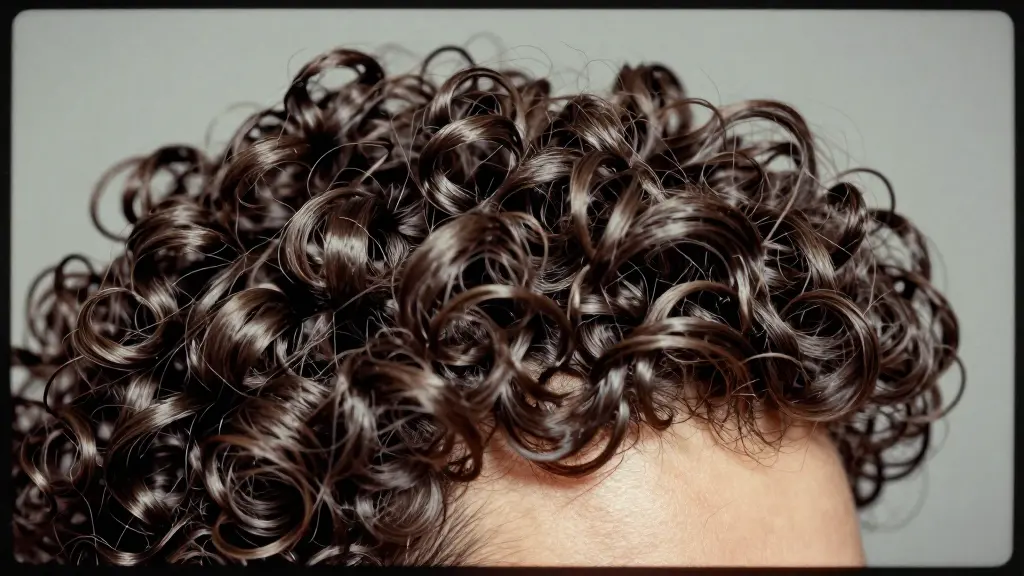
You bought the unit for the curls. They were springy, defined, and they sat exactly right. Then you washed it — carefully, you thought — and what came out was softer, longer, wavier, and somehow flatter. Each wash takes a little more, until eventually you are looking at something closer to a loose wave than the curl you paid for.
Curl loss on a human hair unit is real, but it is almost entirely mechanical. Understanding where it happens changes your whole routine.
Where Curls Actually Go
Curls are stretched out, not washed out. Wet hair is at its most elastic. Every time you rake fingers through it, swirl the wig around in a basin, or rub it with a towel, you are pulling curls straighter while they are soft enough to hold that new shape as they dry.
Heat relaxes the pattern. Hot water softens the hair’s internal bonds and lets curls drop. This is why the same unit comes out looking limp after a hot wash and springy after a cool one.
Stripping removes the moisture curls depend on. Curly hair reads as defined when it is hydrated. Harsh sulphate shampoos take the moisture with the dirt, and dehydrated curls look frizzy and undefined rather than soft.
Brushing when dry is the big one. Dry brushing separates each curl clump into individual strands. It does not remove the curl, but it destroys the definition — and once separated, they read as frizz.
And some of it is honest wear. A curl pattern that was set with heat or chemistry at the factory will gradually relax with time and washing. Nothing keeps a processed curl identical forever.
Before Any Water Touches It
Detangle first, always. Washing a tangled curly unit turns small knots into large ones.
Fit the wig to a mannequin head, mist it lightly with water or a leave-in conditioner, and work through it with your fingers and a wide-tooth comb — starting at the ends and moving up in small sections. Never a fine-tooth comb, never a paddle brush.
Then section the hair into four to six parts and twist or clip each one loosely. Sectioning is the single most useful habit in this whole routine, because it stops the hair moving around and tangling in the basin.
Washing Without Disturbing the Pattern
Use lukewarm to cool water. Not hot. Warm enough to lift oil and product, cool enough that curls stay springy. If you are not sure, err cool.
Wet the hair in the direction it grows. Hold the wig under running water with the hair hanging down, letting the water flow from cap to ends. Do not dunk and swirl.
Shampoo the cap, condition the hair. The cap is where sweat and product actually collect. Apply a small amount of sulphate-free shampoo there and work it gently with your fingertips.
Stroke, do not scrub. Through the lengths, smooth the shampoo downward along the hair in one direction, as though you were petting it. Scrubbing in circles is what tangles and stretches.
Work one section at a time, keeping the others clipped away.
Rinse downward and thoroughly. Residue weighs curls down and dulls them.
Conditioning and Curl Definition
Apply conditioner generously from the mid-lengths to the ends, avoiding the cap where it can loosen knots over time. Leave it for a few minutes — this is where hydration happens, and hydration is most of what makes a curl look defined.
While the conditioner is in, this is the only good moment to detangle if you still need to. The slip makes it easy and the hair is protected.
Rinse with cool water. The temperature difference is noticeable in the finished result.
Then, before the wig has any chance to dry:
Squeeze, do not wring. Cup sections in your palm and gently press upward toward the cap. Wringing is the fastest way to a stretched, frizzy unit.
Blot with a microfibre towel or cotton T-shirt. Terry towelling roughs up the surface and creates frizz.
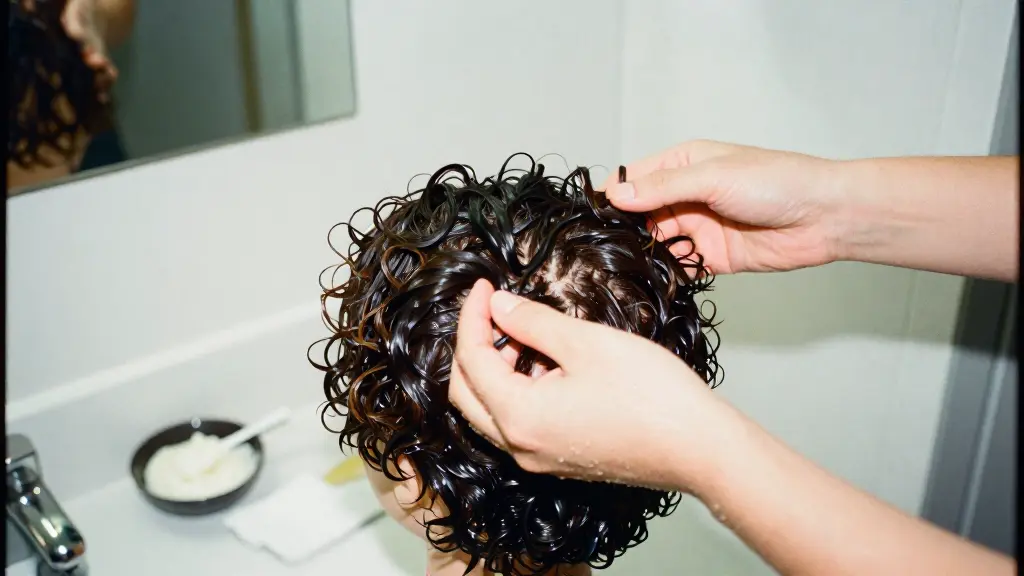
Apply a leave-in and a curl cream while soaking wet. Product applied to damp hair distributes far less evenly and clumps far worse.
Scrunch upward. Cup a section, push it up toward the cap, hold for a second, release. This encourages the curl to spring back into its natural shape as it dries. A little curl-defining gel or mousse on top locks it in.
Drying Without Undoing Your Work
Air drying on a stand is the gentlest option and gives the best definition, provided you leave it alone. Curls dry into whatever shape they are in, so any touching, fluffing or combing during this phase costs you definition.
Diffusing is faster and adds volume if you use a low heat, low speed setting and cup sections into the diffuser bowl rather than moving it around. Keep the temperature modest — even human hair on a wig cannot repair itself, and heat damage on a unit is permanent.
Never sleep on it wet, and never store it damp. A damp unit in a bag develops odour and mildew quickly.
Once it is fully dry, resist the urge to brush. Separate curls with your fingers only, and only if you want more volume.
Keeping Curls Between Washes
Wash less often. A wig does not have a scalp producing oil, so unless you use a lot of product, every eight to twelve wears is plenty for most people.
Refresh instead. A spray bottle with water and a little leave-in, misted on and scrunched, brings curls back for a fraction of the effort.
Sleep it in a satin bag or on a stand, never loose on a pillow or crushed in a drawer.
Keep heat and friction away. Straightening a curly unit repeatedly will eventually relax the pattern permanently.
If the pattern has already dropped significantly, all is not lost — a deep conditioning treatment often restores a surprising amount of bounce, and re-setting with flexi rods or perm rods on damp hair can bring back definition on a unit that has gone slack.
Some units simply hold their curl better than others, largely down to whether the pattern is naturally occurring in the hair or was created with processing. If you are repeatedly disappointed by how quickly a pattern drops, curl-holding human hair wigs with a naturally textured pattern are worth the difference in price.
Frequently Asked Questions
How often should I wash a curly human hair wig?
Roughly every eight to twelve wears for most people, or sooner if you use a lot of product or notice the hair looking limp and coated. There is no scalp oil reaching the hair, so wigs need washing far less often than growing hair does.
Can I use my regular shampoo on a wig?
You can, but sulphate-free is a much better choice. Wig hair has no oil supply to replenish what a stripping shampoo removes, so harsh formulas leave it progressively drier and less defined with every wash.
Why do my curls look great wet and frizzy when dry?
Usually one of three things: touching or combing the hair while it dries, not enough product to hold the clumps together, or drying with terry towelling. Apply product to soaking wet hair, scrunch, then leave it completely alone until it is dry.
Will cold water really make a difference?
Yes, noticeably. Hot water softens the hair and lets curls drop as they dry, while cooler water keeps the pattern tighter. A cool final rinse is one of the easiest improvements you can make.
Can I bring back a curl pattern that has gone flat?
Often, yes. A deep conditioning mask followed by setting the damp hair on flexi rods or perm rods and letting it dry fully will restore a lot of definition. It will not perfectly recreate a factory pattern, but it usually gets you most of the way back.