
You do everything right. You moisturize religiously, you use good products, you never skip a wash day — and your hair is still dry. Worse, it feels coated. There is product sitting on it, visibly, and none of it seems to be doing anything.
This is the specific frustration of low porosity hair, and it is one of the few hair problems where doing more actively makes things worse. The solution involves using less, not more, and adding one thing most people leave out entirely.
What Low Porosity Actually Means
Every hair strand is covered in overlapping cuticle scales, a bit like roof shingles. Porosity describes how tightly those scales lie.
Low porosity hair has scales that lie flat and tightly closed. That is structurally healthy — it is not damage. But it means moisture has a hard time getting in.
The everyday signs are recognizable:
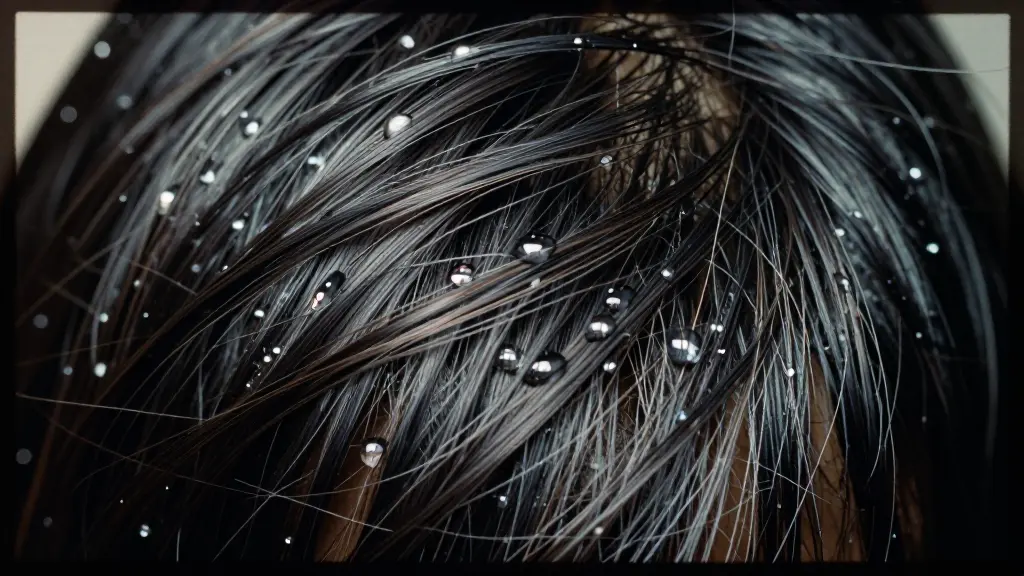
- Water beads on your hair before it soaks in, and your hair takes ages to get properly wet in the shower
- It also takes ages to dry
- Products sit on the surface, sometimes flaking or leaving a white cast
- Your hair feels coated and dull, yet somehow still dry underneath
- Heavy butters and oils just sit there
- Buildup accumulates fast
The float test — dropping a shed strand in a glass of water and seeing whether it floats — is commonly cited, but it is unreliable and easily thrown off by residue on the strand. How your hair actually behaves when you wet it is a far better indicator.
Combine low porosity with 4C texture and you have a double challenge: a closed cuticle that resists moisture, plus tight coils that make it hard for natural oils to travel down the strand from the scalp.
Warmth Is the Missing Ingredient
Here is the single most useful thing to know: heat opens the cuticle.
Warmth causes those tightly closed scales to lift slightly, which lets moisture and product actually get inside. Without it, most of what you apply is being placed on a closed door.
Practical ways to use it:
- Wash and condition with warm water rather than cool. The usual advice to rinse cold to seal the cuticle is exactly backwards for low porosity hair at the moisturizing stage. Rinse warm, and save a cooler rinse for the very end if you want the shine.
- Use a steam cap or hooded steamer with your deep conditioner. Steam is particularly effective because it delivers heat and moisture together.
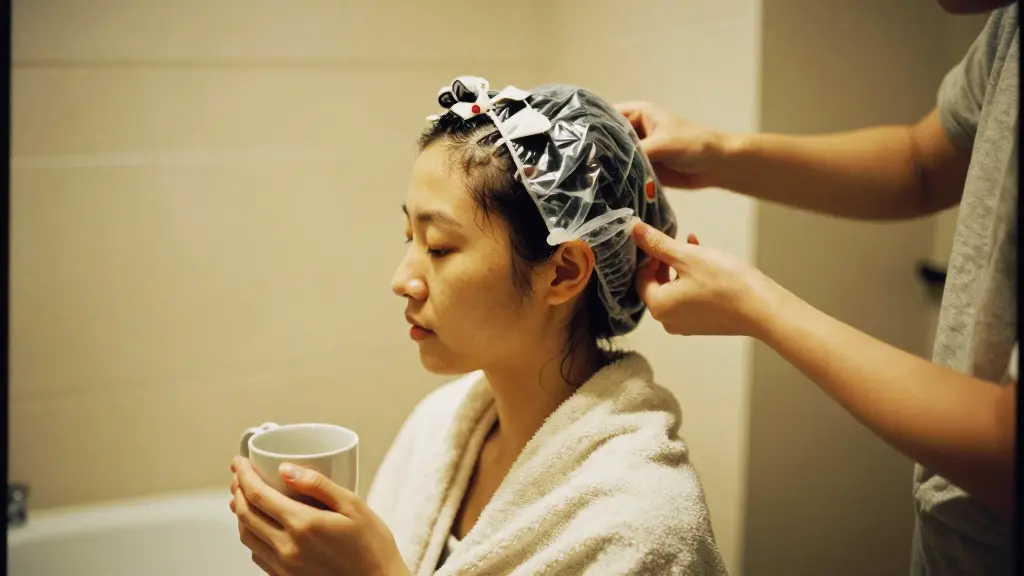
- Or improvise: apply your deep conditioner, cover with a plastic cap, and wrap a warm damp towel over the top. Your own body heat under a cap for thirty minutes also helps.
- Apply products to warm, damp hair, straight after washing, while the cuticle is still open from the shower.
This one change makes more difference than any product swap.
Choosing Products That Can Actually Get In
Go water-based. Look at the ingredients list. If water is first, the product has a chance of absorbing. If the first several ingredients are butters, waxes and oils, it will mostly sit on top.
Go lightweight. Liquid leave-ins, milk-consistency lotions and light sprays absorb far better than thick creams. This feels counterintuitive when your hair is dry — surely dry hair needs the richest thing available? — but a rich product that cannot penetrate does nothing except coat.
Be cautious with heavy butters and thick oils. Shea butter, thick castor oil and heavy pomades are excellent for some hair types and are frequently the source of buildup on low porosity hair. If you use them, use a small amount and only as a final sealing layer over hair that is already moisturized.
Lighter oils penetrate better. Argan, grapeseed, jojoba and small amounts of coconut oil are thinner and behave better than heavy butters, though everyone’s hair responds slightly differently.
Consider glycerin-containing products. Glycerin draws moisture from the air into the hair, which helps. Worth noting: it works best in moderate humidity, and in very dry conditions it can have the opposite effect. Adjust seasonally.
Go easy on protein. Low porosity hair often does not need much protein, and it can build up on the surface leaving hair stiff and brittle. If your hair feels rough and snappy rather than dry, reduce protein rather than adding more.
If you are rebuilding your shelf, lightweight moisture sprays formulated as water-first liquids are the category to prioritize over rich creams.
Applying It So It Absorbs
Section the hair. Four to eight sections, worked one at a time. This is more effort but it means every part of your hair actually gets product, rather than the top layer getting everything.
Apply to damp hair, never dry. Dry hair does not absorb; it just gets coated.
Use less than feels right. Apply a small amount, work it through, and see how the hair responds before adding more. Most low porosity buildup is simply the accumulation of a little too much product every day.
Smooth downward. Following the direction of the cuticle helps products slide along the strand rather than catching.
Layer thoughtfully. A common approach is a water-based leave-in first, then a light cream, then a small amount of light oil to slow evaporation. Skipping a layer is usually better than adding a fourth.
Do not moisturize daily out of habit. Low porosity hair holds moisture well once it is in — that closed cuticle keeps water out but also keeps it in. Reapplying every day is one of the fastest routes to buildup. Many people find every few days is plenty.
Clarifying Is Not Optional
Low porosity hair builds up. That is simply how it behaves, and the answer is regular removal rather than trying to avoid it entirely.
Clarify every four to six weeks, or whenever your hair feels coated, looks dull, or stops responding to products that used to work. That last symptom — products that suddenly seem to have stopped working — is nearly always buildup rather than the products failing.
Use a clarifying shampoo, and if you have hard water, consider a chelating shampoo occasionally, since mineral deposits are a real contributor.
Always follow clarifying with a deep conditioning treatment, ideally with heat.
Our guide to clearing buildup covers doing this without stripping colour if your hair is treated.
Signs You Have Got It Right
- Products absorb rather than sitting on the surface
- Hair feels soft and flexible, not coated or stiff
- No white residue or flaking
- Moisture lasts several days rather than disappearing overnight
- Less breakage when you detangle
- Hair takes slightly less time to get wet in the shower
Give any change three or four wash days before judging it. Hair routines take time to show results, and switching everything at once means you never learn what actually helped.
Frequently Asked Questions
How do I know if my hair is low porosity?
The behavioural signs are the most reliable: water beads on your hair and takes a long time to soak in, hair takes a long time to dry, products sit on top, and buildup happens quickly. The float test with a shed strand is often quoted but is easily skewed by product residue.
Is coconut oil good for low porosity hair?
Opinions differ. It is a relatively small molecule and penetrates better than heavy butters, which is a point in its favour, but some people with low porosity hair find it sits on the surface and contributes to buildup. Try a small amount and see how your hair responds rather than assuming either way.
How often should I moisturize low porosity 4C hair?
Less often than you might expect — every few days for many people. Because the closed cuticle holds moisture in once it is there, daily reapplication tends to produce buildup rather than better hydration.
Why does my hair still feel dry after moisturizing?
Usually because the product never got in. Try applying to warm, damp hair immediately after washing, use a lighter water-based formula, and add heat during deep conditioning. If your hair also feels coated, clarify first — buildup blocks everything you apply afterward.
Do I need a steamer?
It helps a great deal but it is not essential. A plastic cap with a warm damp towel over it, or simply covering your hair and letting body heat build for half an hour, achieves much of the same effect at no cost.