
There is a specific moment when you realize something has gone wrong. The products that used to define your curls beautifully have stopped doing anything. Your hair looks dull no matter how you style it, feels heavy and coated, and the curls have gone limp and stringy.
Then you face the dilemma: the obvious fix is a good clarifying wash, but everyone knows clarifying strips colour, and you did not spend that money on your colour to wash it down the drain.
Both problems are real. Here is how to resolve them without sacrificing one for the other.
What Buildup Is and Where It Comes From
Buildup is a layer of residue coating your hair and scalp that water and regular shampoo are not removing.
The usual contributors:
Non-water-soluble silicones, found in many smoothing serums and conditioners. They give instant smoothness, then accumulate because gentle shampoos cannot lift them.
Heavy oils and butters, particularly on fine or low porosity hair.
Styling products — gels, creams, mousses — layered on daily without a proper reset.
Hard water minerals. In hard-water areas, calcium and magnesium deposit on the hair with every wash. This one catches people out because it happens even with a perfect product routine.
Dry shampoo, which is designed to sit on the hair and absorb.
Chlorine from swimming.
Curly hair accumulates buildup faster than straight hair for two reasons: curly routines involve more leave-in product by design, and curly hair is generally washed less frequently.
Colour-treated hair adds another layer, because colouring raises the cuticle and makes the surface slightly rougher — which gives residue more to cling to.
How to Tell It Is Buildup
- Your products have stopped working, even though nothing changed
- Hair looks dull and flat rather than shiny
- Curls will not clump or hold definition
- Hair feels coated, heavy or waxy
- It takes longer to get wet in the shower
- Your scalp itches, flakes, or feels tight
- Colour looks muddier than it did
- Roots go greasy faster than they used to
If several of these describe you, and no amount of good product is helping, buildup is the likely culprit rather than a hair problem you need to solve with more products.
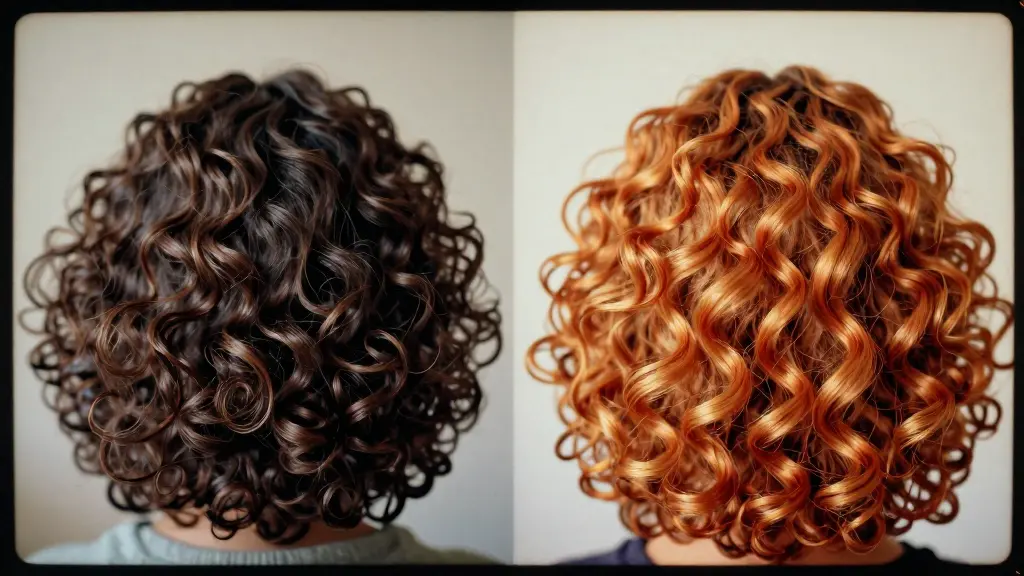
Clarifying Without Wrecking Your Colour
The concern is legitimate — clarifying shampoos are stronger by design, and stronger cleansers do lift some colour. But there are meaningful degrees here.
Choose a sulphate-free clarifying shampoo. These lift residue without the aggressive stripping of a traditional sulphate formula. Slightly gentler, slightly slower, considerably kinder to colour.
Look for colour-safe labelling.Colour-safe clarifying shampoos are formulated to remove buildup while minimizing pigment loss, and they are worth the modest extra cost if you colour regularly.
Dilute it. Mix the shampoo with water in an applicator bottle. You get effective cleansing with less concentrated contact, which is gentler on colour.
Focus on the scalp and roots. That is where most buildup sits. Let the suds rinse down through the lengths rather than scrubbing colour-treated ends directly.
Use lukewarm water, not hot. Hot water opens the cuticle and lets pigment escape faster. This is one of the easiest changes to make and it genuinely matters.
Clarify less often, not never. Every four to six weeks is a reasonable rhythm for most people. Weekly clarifying will fade colour and dry curls out; never clarifying leaves you where you started.
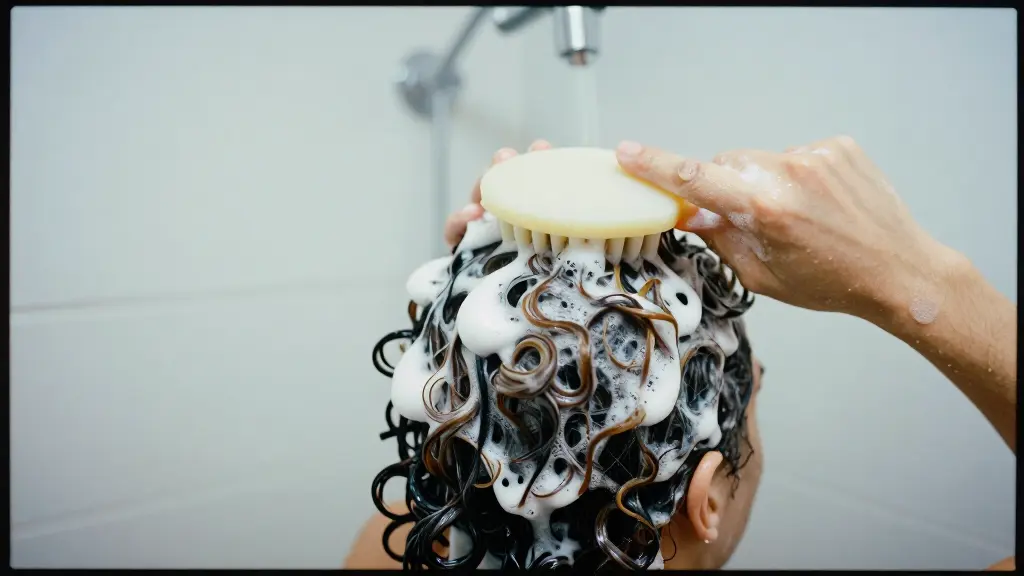
Add a scalp massage brush. A soft silicone brush lifts residue from the skin mechanically, which means the shampoo has less work to do. It also feels wonderful.
When You Need to Chelate Instead
If you live in a hard-water area, an ordinary clarifying shampoo may not be enough. Mineral deposits need a chelating shampoo, which contains ingredients specifically designed to bind minerals and rinse them away.
Signs it might be minerals rather than product: your hair feels rough and looks dull even when you have not used much product, colour has shifted oddly or gone brassy, and swimming or a house move made things noticeably worse.
Chelating shampoos are stronger than clarifying ones, so use them sparingly — perhaps every couple of months — and always follow with a substantial deep conditioning treatment.
A shower filter is worth considering if hard water is a permanent feature of your life.
Rebuilding Afterward
Clarifying leaves hair clean, which for curly colour-treated hair also means temporarily stripped and vulnerable. What you do next matters as much as the wash itself.
Deep condition immediately. Not next week. The same wash session. Apply generously to mid-lengths and ends, and use gentle heat — a cap and a warm towel — to help absorption.
Consider a bond-building treatment if your hair has been through a lot of colour. These help with the internal damage that colouring causes, and they pair well with a post-clarify treatment.
Rinse cool to help the cuticle lie flat and lock the moisture in.
Then style as normal, on soaking wet hair, with your leave-in and hold products — the technique that keeps curls defined is covered in our air drying guide.
You should notice an immediate difference: curls clump better, products work again, and colour looks brighter rather than muddy.
Preventing Buildup From Returning
Read your ingredient lists. If you want to avoid buildup, look out for silicones that are not water-soluble — the ones ending in -cone, -conol or -xane that do not have a water-soluble prefix. Water-soluble silicones and lighter alternatives rinse out with a normal wash.
Use less product. Most people apply more than their hair needs, and the excess simply accumulates. Try using two-thirds of your usual amount for a fortnight.
Rotate rather than layering. Four leave-ins stacked on top of each other is a buildup routine.
Rinse properly. Under-rinsing conditioner is a quiet contributor.
Wash your styling tools. Brushes, combs and diffusers collect residue and transfer it straight back.
Use dry shampoo sparingly and wash it out on schedule.
Rinse after swimming, always — our swimmer’s routine covers protecting colour from chlorine specifically.
Frequently Asked Questions
Will clarifying shampoo strip my hair colour?
It lifts some pigment, yes — but a sulphate-free, colour-safe clarifying shampoo used every four to six weeks, diluted, with lukewarm water, causes minimal fading. Leaving buildup on your hair makes colour look duller than an occasional clarify ever will.
How often should I clarify colour treated curly hair?
Every four to six weeks for most people, or whenever your hair feels coated and stops responding to products. Adjust based on how much product you use and how hard your water is.
What is the difference between clarifying and chelating?
Clarifying removes product residue and oils. Chelating specifically targets mineral deposits from hard water or chlorine, using ingredients that bind to those minerals. If your hair feels rough and dull despite minimal product use, minerals are the likely cause.
Can I use apple cider vinegar instead?
A diluted apple cider vinegar rinse can help with light residue and add shine, and it is gentler on colour than most shampoos. It is not strong enough for heavy silicone buildup or mineral deposits, so treat it as maintenance rather than a proper reset.
Why does my hair feel worse right after clarifying?
Because clarifying removes the coating that was making it feel smooth — including the buildup that was disguising underlying dryness. That squeaky, slightly rough feeling is normal and resolves once you deep condition, which should happen in the same session rather than later.